
Jean-Paul Lemieux Canadian, 1904-1990
-
 Équestre Sold
 -
Alberta, du livre illustré Canada-Canada, 1985 Reserved
-
Colombie-Britanique, du livre illustré Canada-Canada, 1985 Reserved
-
Manitoba, du livre illustré Canada-Canada, 1985 Reserved
-
Nouveau-Brunswick, du livre illustré Canada-Canada, 1985 Reserved
-
Nouvelle-Écosse, du livre illustré Canada-Canada, 1985 Reserved
-
Ontario, du livre illustré Canada-Canada, 1985 Reserved
-
Québec, du livre illustré Canada-Canada, 1985 Reserved
-
Saskatchewan, du livre illustré Canada-Canada, 1985 Reserved
-
Terre-Neuve, du livre illustré Canada-Canada, 1985 Reserved
-
Territoires du Nord-Ouest, du livre illustré Canada-Canada, 1985 Reserved
-
TransCanada, 1975
-
Yukon, du livre illustré Canada-Canada, 1985 Reserved
-
Autoportrait, 1987 Sold


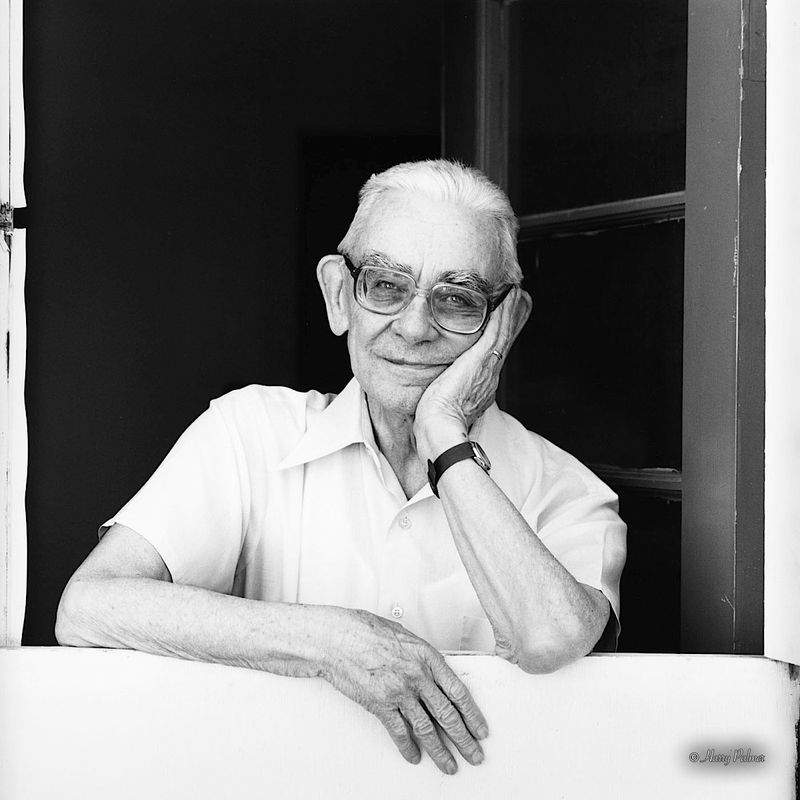
Jean Paul Lemieux, born in 1904 in Quebec City, was one of Canada’s most celebrated modern painters, renowned for his austere, poetic compositions that evoke solitude, memory, and the vastness of the northern landscape. Associated with mid-20th-century Canadian modernism, Lemieux developed a highly distinctive figurative style characterized by simplified forms, flattened perspectives, and expansive skies that often dominate the canvas. His restrained palette—frequently composed of muted blues, greys, and whites—creates an atmosphere of stillness and quiet introspection. Through sparse settings and isolated figures, Lemieux conveyed profound emotional depth, exploring themes of time, silence, and the human condition within the immensity of the Canadian environment.
Educated at the École des beaux-arts de Montréal and later influenced by European modernism during travels to France, Lemieux initially experimented with more classical and decorative approaches before refining his mature style in the 1950s. This evolution marked a decisive shift toward minimalism and psychological resonance. His solitary figures—often children, couples, or anonymous travelers—appear suspended in timeless landscapes, suggesting both personal memory and collective experience. The emptiness surrounding them is never void, but charged with narrative tension and quiet contemplation.
Lemieux taught for many years at Université Laval, shaping generations of Canadian artists while continuing to develop his own visual language. His work gained national and international recognition, and he represented Canada at major exhibitions abroad. Today, his paintings are held in prominent public collections, including the National Gallery of Canada, and remain emblematic of a uniquely Canadian vision—where space, silence, and humanity converge in profound and meditative harmony.