
-
-

-
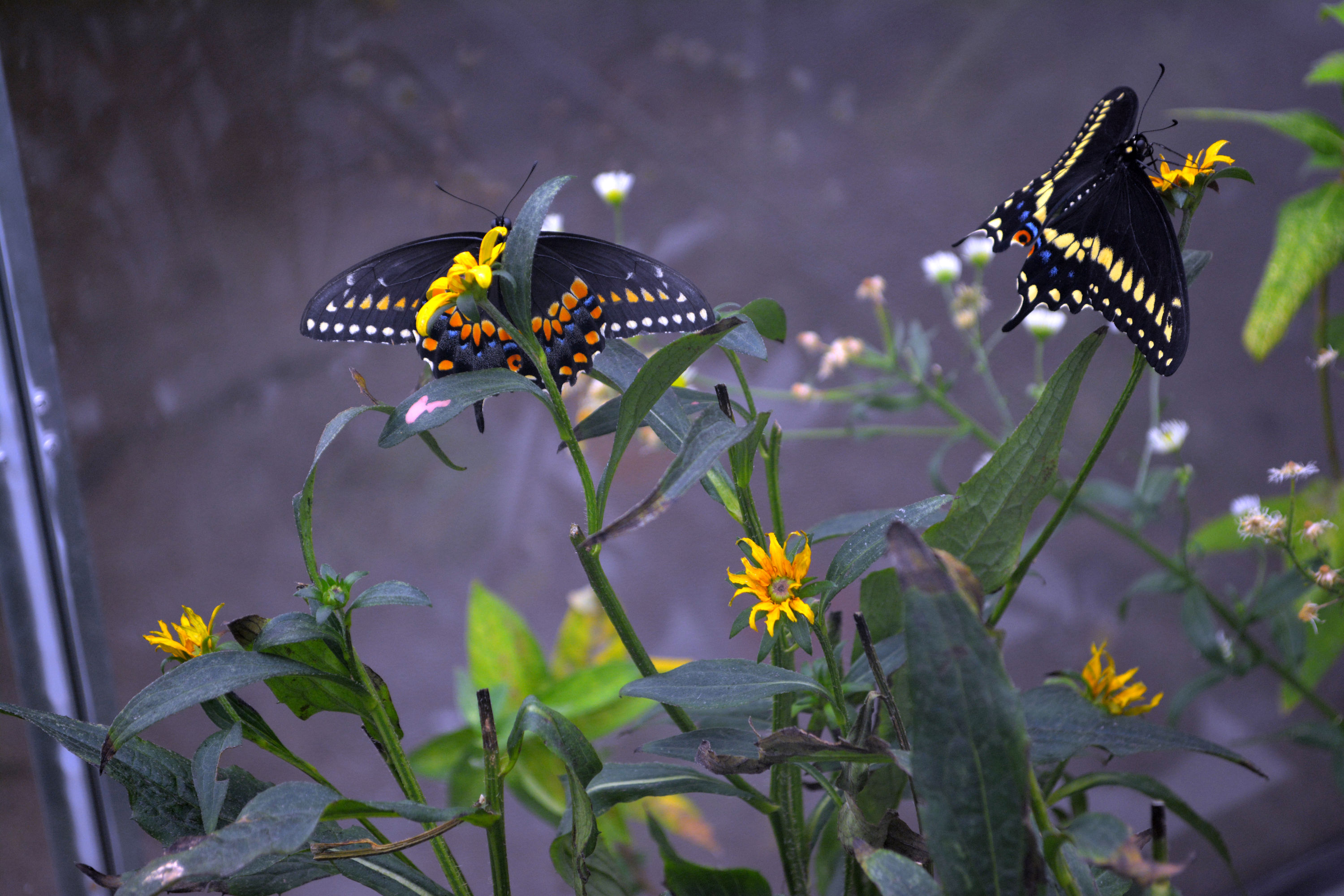
The Butterfly Report reads these insects as indicators of a shifting world. Species such as the Xerces Blue or the increasingly erratic Monarch migrations reveal how environmental change registers first in fragile systems. Butterflies thus become both evidence and metaphor: signs of loss, but also of persistence, carrying the unsettling suggestion that even the most delicate forms are tasked with surviving the consequences of human activity.
-



Join our mailing list
* denotes required fields
We will process the personal data you have supplied in accordance with our privacy policy (available on request). You can unsubscribe or change your preferences at any time by clicking the link in our emails.